Yes, antimicrobial wall panels can be a good choice for moisture-prone areas, especially when the panels have a non-porous surface, are properly installed, and are maintained according to the facility's cleaning requirements. PVC antimicrobial panels can help create a wall surface that is easier to clean and less likely to absorb moisture than porous materials such as drywall or wood.
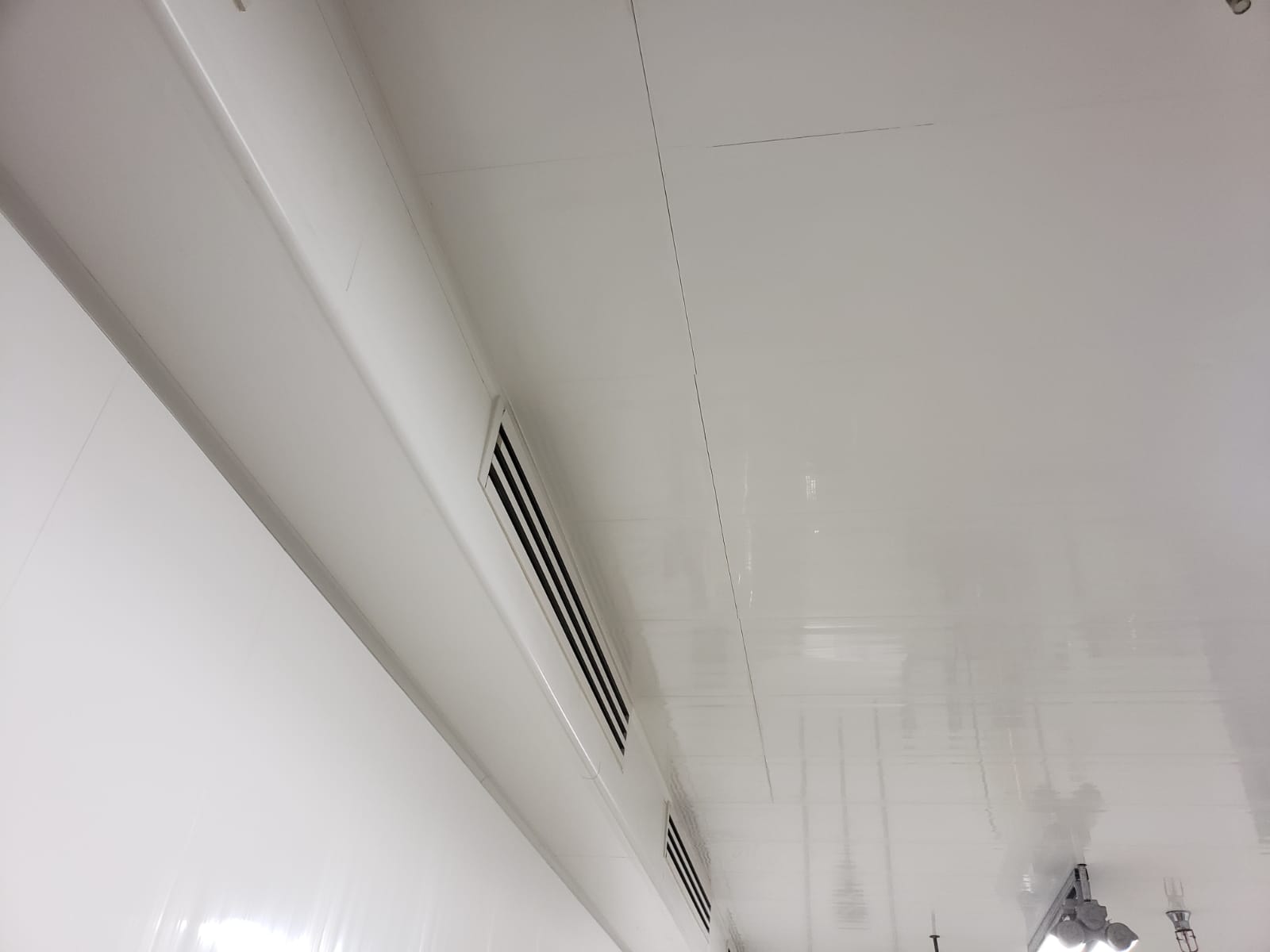
They are useful in commercial kitchens, food processing areas, dairy facilities, restrooms, laundry rooms, healthcare spaces, and other interiors where humidity, splashes, or frequent washdowns are part of daily operations.
Why Moisture Resistance Matters
Moisture can cause problems when it reaches porous wall materials. Repeated exposure to water and humidity can cause staining, swelling, surface deterioration, and hard-to-clean areas. PVC washable wall panels provide a non-porous surface that does not readily absorb water. This makes them practical for environments that require regular cleaning or occasional washdowns.
How Do Antimicrobial Wall Panels Help?
The term "antimicrobial" refers to a product feature intended to help inhibit the growth of certain microorganisms on the treated surface. This can be useful in facilities where maintaining cleanable wall surfaces is important. An antimicrobial coating does not eliminate the need for cleaning or make a facility sterile. Routine sanitation remains essential, particularly in food processing, healthcare, and other regulated environments.
Duramax PVC wall panels feature an antibacterial coating along with a smooth, non-porous surface. Together, these features provide a wall surface that is easier to clean and maintain in moisture-heavy environments.
Where Are They Most Useful?
Antimicrobial PVC panels can be considered for areas such as:
- Commercial kitchens and food preparation rooms
- Dairy and food processing facilities
- Commercial bathrooms and restrooms
- Laundry and utility rooms
- Healthcare and care facilities
- Washdown areas
- High-humidity storage and production spaces
Does Proper Installation Matter?
Yes. Even a moisture-resistant panel system can struggle if it is installed incorrectly. Seams, corners, edges, joints, and wall penetrations deserve particular attention in areas exposed to frequent water.
PVC panels use a tongue-and-groove connection and can be installed directly to studs or over drywall. Where moisture protection is important, seal the entire installation appropriately to meet the project's requirements. Regular inspections should also check for damaged panels, failed sealants, loose sections, or gaps that could allow moisture behind the wall system.
Are Antimicrobial Wall Panels Better Than Drywall?
For moisture-prone areas, PVC antimicrobial panels can offer practical advantages over conventional drywall. PVC does not absorb moisture like paper-faced drywall, and its smooth surface can make cleaning easier. They also meet CFIA and FDA hygiene standards and have a Class 1 fire rating to support hygiene and safety in facilities.
Choose a Wall System Built for Moisture
PVC Antimicrobial wall panels are a practical option for moisture-prone interiors when hygiene, cleanability, and moisture resistance matter. They work best as part of a complete system that includes proper installation, sealing, cleaning, ventilation, and moisture control. Duramax PVC wall panels are made from 100% virgin vinyl, feature an antibacterial coating, and provide a durable, non-porous surface for demanding commercial environments. Looking for a wall solution for your moisture-prone facility? Request a free Duramax sample and quote to evaluate the panels for your project.