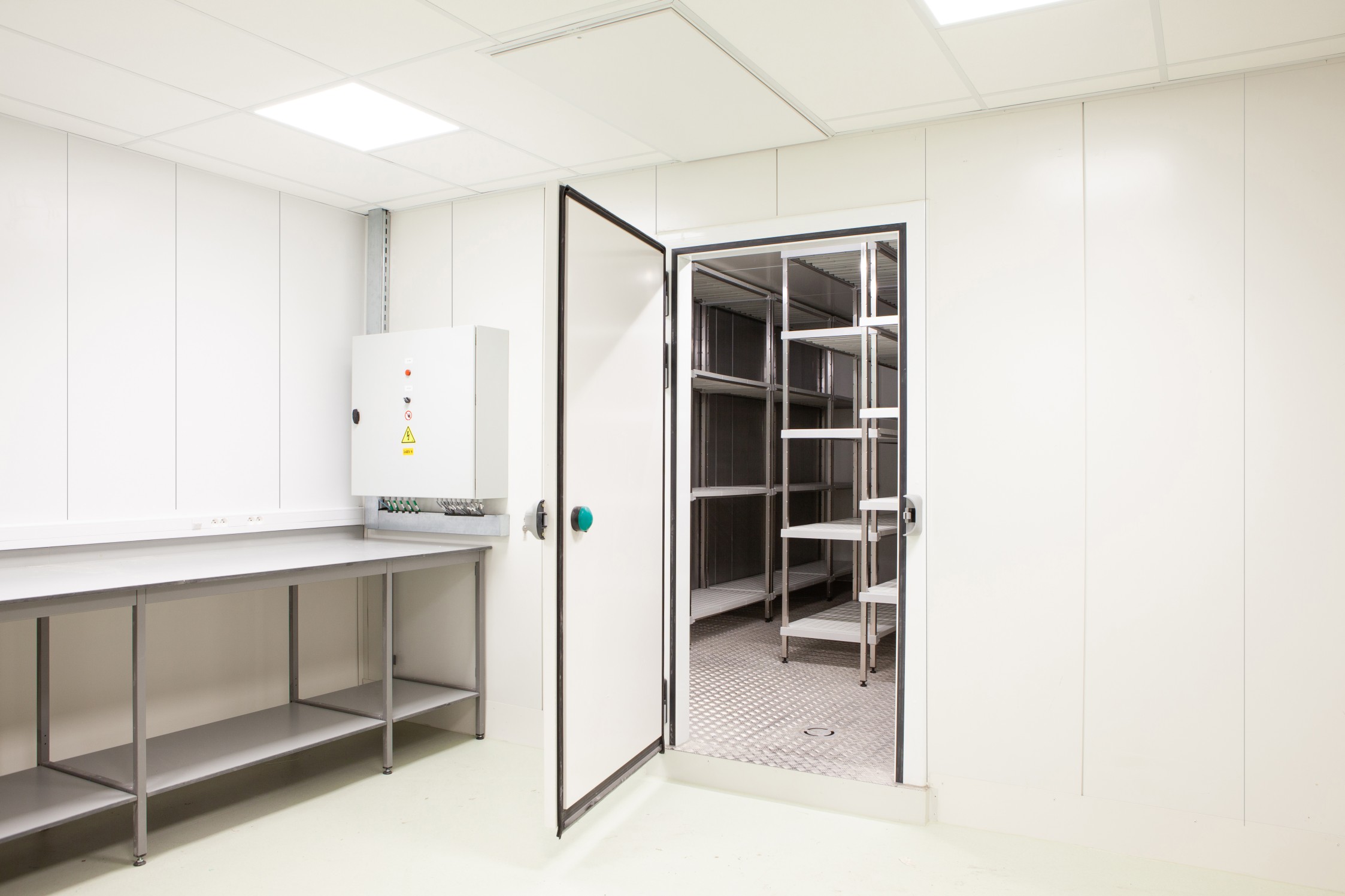
This guide evaluates the best material for grow room walls by emphasizing moisture resistance, reflectivity, and mold prevention. The blog contrasts traditional drywall and FRP panels against the modern PVC panels, drawing on the experience of a grow room engineer. Find a detailed breakdown that reveals how PVC panels prevent moisture trapping, rot, and mold formation compared to traditional materials. Learn how PVC panels offer an inspection-ready and low-maintenance solution that enhances efficiency and reduces installation expenses.
What is the Best Material for Grow Room Walls?
When looking for the best material for grow room walls, you need to consider panels with a smooth surface that prioritizes moisture resistance, antimold properties, and reflectivity. Among the available options, PVC panels tick all the boxes and have become the top structural choice for grow rooms. They are durable, long-lasting, compliant with hygiene standards, and offer a bright finish. Below, I, Neil White, break down the requirements for indoor farming based on my engineering background and note significant improvements in productivity and efficiency with PVC paneling.
Factors to Consider When Choosing Grow Room Walls
Grow rooms play a crucial role in the escalating popularity of indoor farming. These facilities are designed to replicate the optimal environment for growing and, so naturally, have a humid environment that could trigger mold growth. This is why choosing the right material for the walls directly affects the space's workflow. Based on my 21 years of experience, I recommend these factors as non-negotiable when choosing a wall panel for a grow room.
- Resistance to moisture and mold
Grow rooms have high-humidity environments, so you should avoid using traditional wood or drywall, which can rot and mold. Instead, opt for 100% waterproof, non-porous materials like PVC panels that do not harbor mold or mildew.
- Reflective surface
The right wall material can maximize the efficiency of your grow room lights by reflecting the lumens to your plants to support photosynthesis. For instance, the smooth, high-gloss finish of vinyl panels has been proven to reflect natural and artificial light evenly.
- Durability and cleanliness
Cannabis grow room walls need to be impact-resistant and easy to clean to eliminate the need for regular upkeep and frequent repairs and replacements. Ease of cleaning is crucial to ensure a hygienic environment.
- Hygiene and safety compliance
Grow room owners should look for panels that ensure fire safety and comply with CFIA and FDA standards. This will help eliminate the risk of fire hazards from electrical connections and make the facility inspection-ready and commercial-grade.
Breakdown of How Different Materials Compare in Grow Room Environment: PVC Vs Drywall Vs FRP
|
Grow room requirements |
PVC Panels |
Drywall |
FRP Panels |
|
Moisture Resistance |
Non-porous surface prevents moisture from seeping in and trapping under the panel |
Porous gypsum core absorbs moisture |
Microscopic cracks allow moisture to seep in |
|
Surface Reflectivity |
Smooth surface evenly distributes light |
Uneven surfaces bounce light differently, causing dark spots |
Reflectivity depends on the gelcoat, and as the barrier breaks, it scatters light |
|
Durability |
Durable and impact-resistant to withstand daily wear and tear |
Cracks and punctures from impacts |
Over time, the panels crack and peel from impacts |
|
Cleanliness |
A simple wipe down is enough |
Water sensitivity makes it difficult to clean |
Requires specialized cleaners and methods |
|
Hygiene and safety compliance |
CFIA and FDA compliant with Class-1 fire rating |
Rots and mold from moisture exposure |
Textured finish allows bacteria and mold to trap |
The comparison highlights how PVC offers greater efficiency and productivity by providing an ideal environment and minimizing maintenance, repair, and cleaning needs. Initially, for my projects, I installed FRP panels in grow rooms, but the constant callbacks due to rotten panels from the humid environment and mold growth forced me to look for an alternative. Drywall was totally out of the question as it performs poorly in moisture-rich environments. The next available option was PVC, and it was surprisingly meeting all the key requirements for a grow room. Find out more about my experience of exploring both FRP and PVC.
How I Reduced Maintenance Call Backs By Switching from Grow Room FRP Panels to PVC?
What do I do?
As a grow room engineer, I have experience working on both large and small indoor farming projects. I design, build, and optimize indoor agriculture facilities while balancing HVAC systems, lighting, and automating environmental factors. The biggest challenge that I faced at the beginning was the wall paneling material. Growroom FRP panels were advertised as completely waterproof, and they were priced lower than PVC, so I went with them.
The Challenge I Faced With FRP
In the first couple of years of my career, I designed and built 7 growrooms, all with FRP paneling. Two years later, I started getting callbacks for damp patches, a stinky environment, and most commonly, about mold growth. The complaints kept piling up, and I was facing serious disruptions to taking on new projects, as my older projects kept me engaged in extensive upkeep and repairs. FRP required wooden backer boards for support. It was this backer that absorbed the moisture seeping through the panels and started to rot. The adhesives started failing, and the trapped moisture allowed mold and bacteria to grow. Maintenance and replacements were not enough, as I needed a permanent solution to this rotten FRP problem.
PVC was the Solution
My frustration with FRP panels led me to PVC paneling, and I contacted a renowned manufacturer to discuss my projects. I knew PVC was moisture-resistant, antimold, and inspection-ready, but I didn’t know how easy it was to install. They did not require additional preparation as the panels can be screwed directly on the walls or existing surfaces using studs and fasteners. The installation alone saves me 40% on material costs and 50% on labor charges. And for my clients, the low maintenance and ease of cleaning saved them from downtime and significantly increased their productivity.
Upgrade to a Low-Maintenance Wall System for Your Grow Room
Get high-quality and low-maintenance grow room walls from Duramax that are ASTM-certified, FDA-compliant, and Class-1 fire-resistant. Duramax PVC panels are designed to last and perform in humid environments, and their highly reflective surfaces enhance the efficiency of your grow room facility. Now available nationwide at factory-direct prices and backed by a limited lifetime warranty. Request your free sample today!