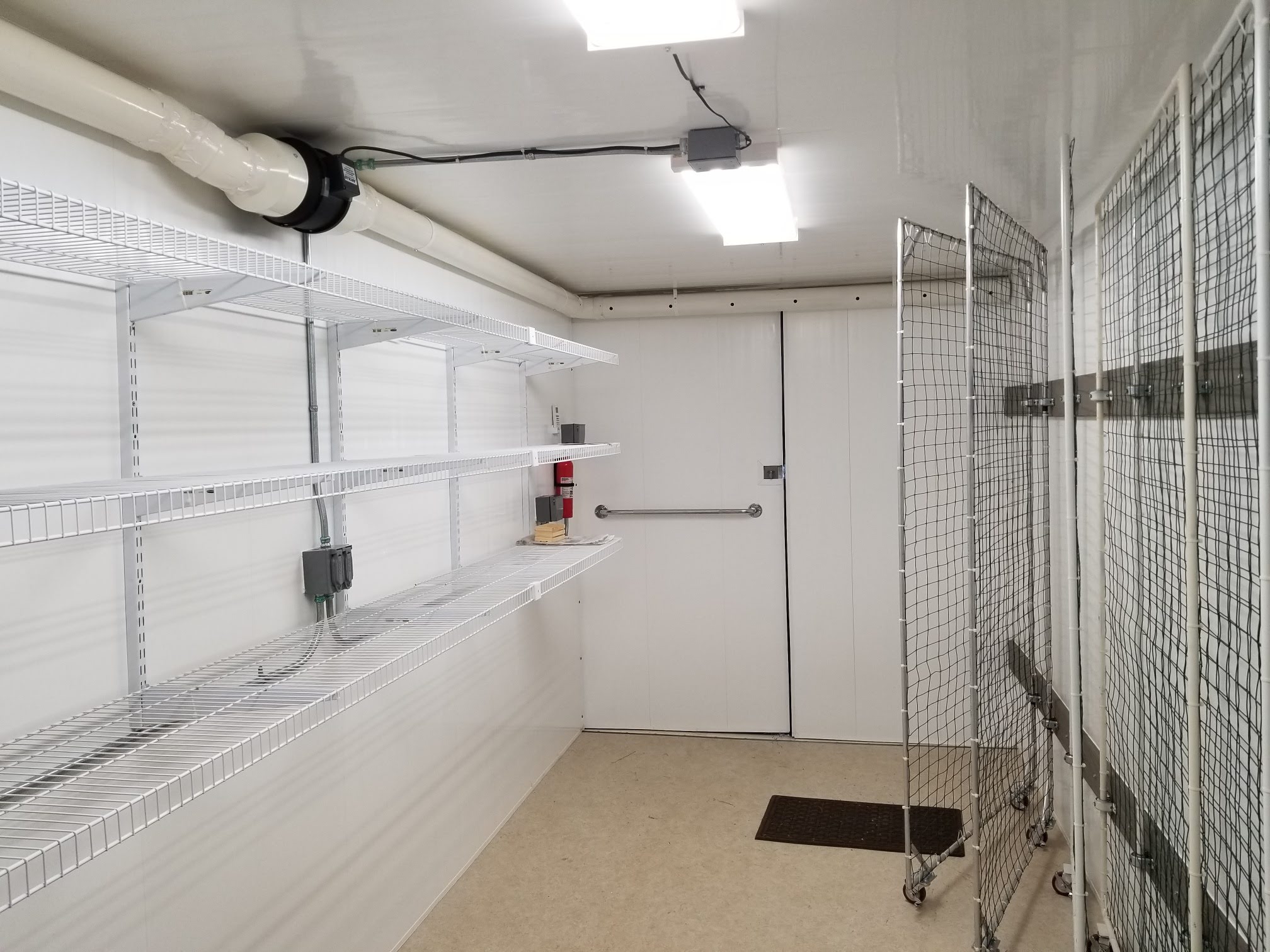
Converting a shipping container into a functional, comfortable, and sturdy space begins with selecting the right wall paneling. Whether you are building an off-grid cabin, a mobile cafe, a workshop, or a pop-up retail shop, shipping containers experience unique environmental challenges. This includes temperature fluctuations, condensation, rusting, and structural movement.
While conventional construction materials like FRP and drywall are common, vinyl wallboard has stepped in as a high-performance wall cladding option for container builds. The unbeatable combination of moisture resistance and high-impact tolerance eliminates the constant threat of rust, rot, and condensation. Installing vinyl panels provides a clean, long-lasting barrier against impacts, keeping your investment protected for decades.
The Challenges Shipping Containers Face During Conversion
Shipping containers are built from rugged steel to provide the structural strength needed to withstand harsh ocean conditions. However, when you convert that steel shell into a functional living space, it introduces three major interior challenges:
- Extreme Condensation Phenomenon - Steel is highly reactive to temperature variations. When warm interior air hits cold metal walls, condensation collects behind the paneling. Porous wall materials absorb this trapped moisture, leading to rot, rust, and mold infestations.
- Movement and Structural Flexing - Shipping containers naturally twist, expand, and flex during transit. Wall materials like drywall lack flexibility, leading to popped fasteners, cracked seams, and constant repairs.
- Tight Interior Dimensions - Standard containers are designed to offer limited floor space. Integrating heavy, multi-layered wall assemblies consumes every square foot and adds unnecessary weight to the structure.
Top Reasons to Choose Vinyl Panels for Shipping Container Conversion
1. Moisture-Resistant Barrier That Prevents Mold
Solid vinyl panels are non-porous wall materials, which means they do not absorb water or airborne contaminants. FRP panels rely entirely on oriented strand board (OSB) or plywood backing, which can rot, warp, and develop mold when moisture penetrates behind the surface.
On the other hand, vinyl water-resistant wallboard remains unaffected by severe temperature shifts that could cause condensation to form behind container walls. These moisture-resistant wall materials do not swell, delaminate, split, or harbor mold or bacteria.
2. Superior Strength and Impact Resistance
Vinyl wall panels are engineered with an inner webbed truss design that provides remarkable impact resistance. This allows vinyl panels to absorb vibrations without denting, cracking, or pulling free from the wall studs.
3. Fast Interlocking System Saves Time And Labor
Traditional wall installation is a multi-step and labor-intensive process. The installation requires taping, multi-coat sanding, and painting that generate a large amount of dust and delay build timelines by days.
Vinyl wall panels feature a tongue-and-groove interlocking edge system. Installers can slide the tongue of one panel into the groove of the adjacent board. This helps secure screws directly through the built-in, pre-punched mounting flange. The interlocking design conceals all fasteners, eliminating the need for joint compound and reducing labor costs by up to 50%.
4. Space-Saving Profile with High Structural Strength
Heavy, multi-layered wall materials, such as OSB backer sheets, consume usable floor space and add unnecessary payload weight to the structure. At ½-inch thickness, vinyl panels attach directly to the wall framing without the need for heavy backer boards. This sleek profile maximizes interior square footage while keeping the structure lightweight.
5. Strict Fire and Hygiene Compliance
Maintaining a clean, compliant container is challenging. High-quality vinyl wall boards carry a Class A fire rating, ensuring they meet strict building safety codes by slowing the spread of flames in tight living spaces. Their smooth, non-porous surfaces meet FDA and CFIA requirements for food preparation and commercial hygiene.
Dirt, grease, steam, and oil splatters cannot penetrate the surface. This allows you to clean the entire wall system using a simple wipe-down or a direct high-pressure hose wash.
How to Install Vinyl Wall Boards Step By Step?
- Seal the Panel Properly - Vinyl panels attach over wall framing or furring strips. Applying closed-cell spray foam directly to the steel corrugation creates the required thermal break, preventing moisture from forming behind the panels.
- Direct-to-Stud Fastening - Vinyl panels feature a pre-punched nailing/screwing flange along one edge. You drive screws directly through this flange into metal studs. No heavy backer boards (like OSB or drywall) or messy adhesives are needed.
- Tongue-and-Groove Interlocking - Each panel slides into the next at a slight angle. The tongue covers the screw flange of the previous panel, completely hiding all fasteners and creating a smooth, seamless joint.
- Trims - Vinyl panels provide matching J-trims, F-trims, and corner pieces to secure the starter panel and clean up the perimeter edges along the floor and ceiling.
Case Study: The Role of Duramax Vinyl Panels in Building a Pop-Up Container Coffee Shop
Location - Austin, Texas
Business Idea
Sam Mathew, a young entrepreneur, wanted to build a mobile coffee bar using a retrofitted 20-foot shipping container. He needed a low-cost, durable setup that could move between festival grounds and city parks.
The Challenge
High steam from espresso machines and frequent equipment moves caused serious damage to the walls. The walls and ceilings needed strong wall materials that could withstand humidity and road vibrations without cracking. FRP panels were ruled out because the adhesive can fail during hot Texas summers, while drywall was too heavy and fragile.
The Solution
The build team retrofitted the container by installing Duramax’s interlocking vinyl wall boards across walls and ceilings.
The Result
The installation of Duramax vinyl panels was completed within two days. The bright, reflective surface kept the compact shop well-lit, and the smooth walls passed local health inspections. Sam says: "Cleanup at night takes five minutes. I wipe down the steam splatters and coffee stains with a damp cloth. The walls still look brand new after a full year on the road."
Frequently Asked Questions
1. How Sturdy are Vinyl Shipping Container Walls?
Vinyl panels offer durable interior protection and withstand routine cleaning, impact, and environmental exposure. When properly installed, they provide a long-lasting finish for converted structures.
2. Are Vinyl Panels Easy to Clean and Maintain?
Yes. One of the key advantages of installing vinyl panels is their smooth, texture-free finish. Cleaning can generally be done with a quick wipe-down or a pressure wash, saving you time and effort.
3. How can vinyl wall panels contribute to sustainable shipping container interiors?
Durable vinyl panels reduce the need for frequent replacement, while their easy-to-clean surface can help reduce ongoing maintenance. Selecting products with recycled content and responsible manufacturing practices improves the environmental profile of a container interior.
Discover Duramax Vinyl Panels for Shipping Containers?
Duramax is a leading choice for vinyl washable wallboard across North America. Made from 100% virgin vinyl, our panels are available in construction lengths of 8-20 ft. They are available for bulk orders and are shipped nationwide at factory-direct pricing.
Book your free consultation with our experts today.